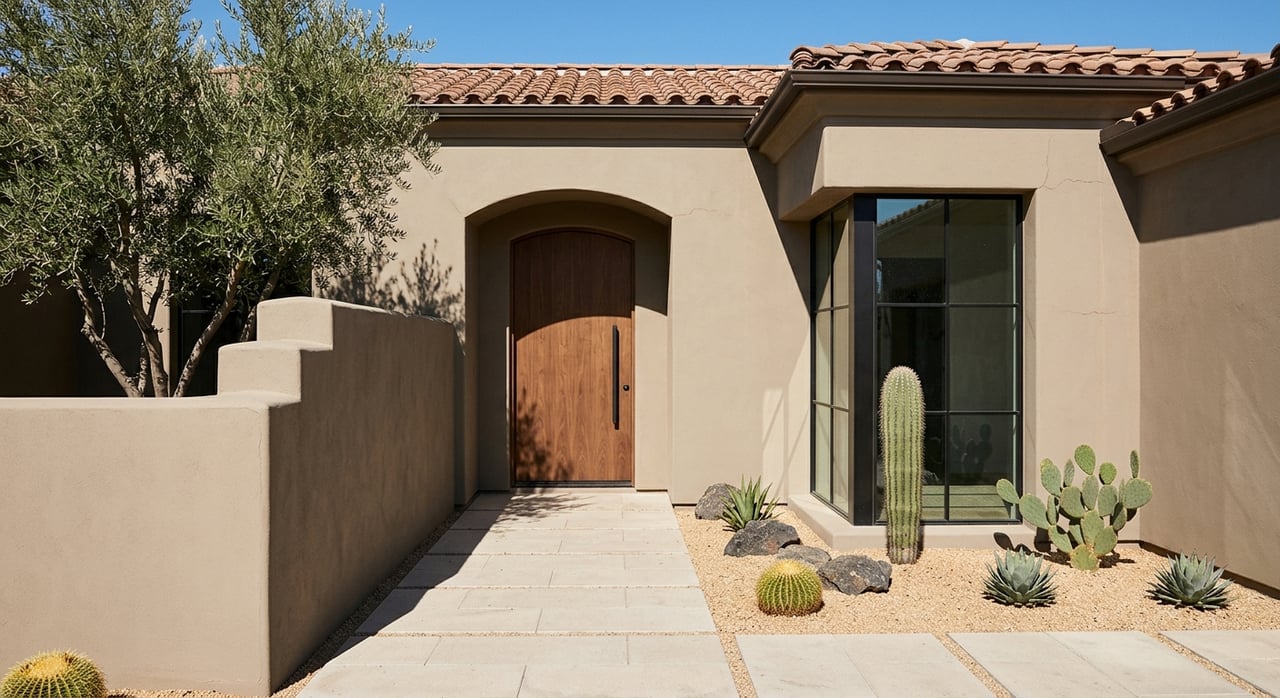
Scottsdale New Build vs Resale: What to Consider
May 14, 2026
May 14, 2026
If you are choosing between a brand-new luxury home and an older estate in Scottsdale, you are really choosing between two different ways of living. One offers modern systems, current design standards, and a more turnkey feel. The other may offer architectural character, mature landscaping, and a setting that feels established from day one. This guide will help you compare both with Scottsdale in mind so you can focus on the tradeoffs that matter most to you. Let’s dive in.
Scottsdale is a natural place for the new-build versus classic-estate debate because the city reflects multiple eras of growth. Its historic preservation program recognizes properties tied to early Scottsdale as well as postwar residential neighborhoods from the 1950s and 1960s. Later, large master-planned communities helped shape another chapter of luxury housing, beginning in the early 1970s with places like McCormick Ranch.
That history creates a market where both home types have a strong identity. You are not simply comparing old versus new. You are comparing established architectural lineage and lot character against newer homes shaped by today’s design, infrastructure, and energy standards.
Scottsdale also adds another layer to the decision: the setting around the home matters. The city includes 30,580 acres of preserved land, 232 miles of nonmotorized trails, and 129 miles of paved pathways, and the McDowell Sonoran Preserve is permanently protected desert habitat. In this market, a home’s relationship to views, open space, and desert character can be just as important as the finishes inside.
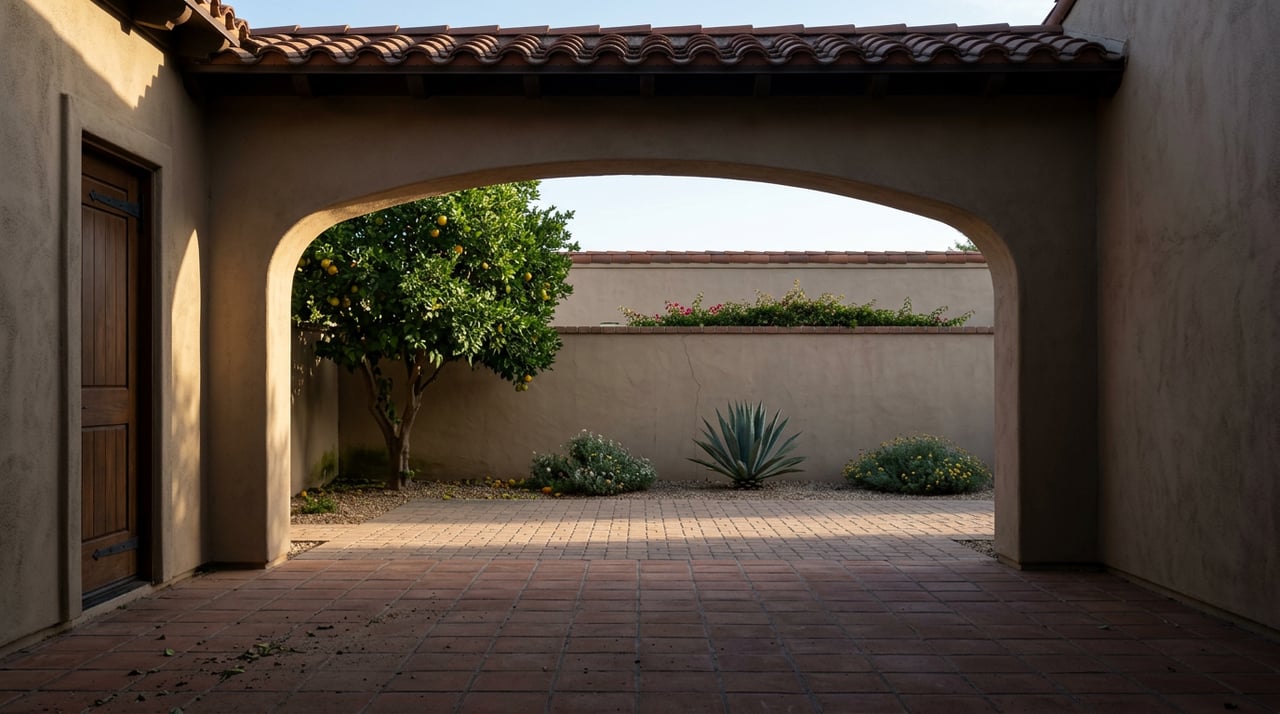
In Scottsdale, classic estates often reflect ranch, California ranch, and contemporary traditions that became common in the postwar years. These homes were often designed as single-story residences with low-pitched rooflines and a strong connection to outdoor living. In many cases, they also use more glass and a layout that encourages indoor-outdoor flow.
That gives older estates more than just age. It gives them a distinct Scottsdale architectural identity. For buyers who care about lineage and character, that can be a major part of the appeal.
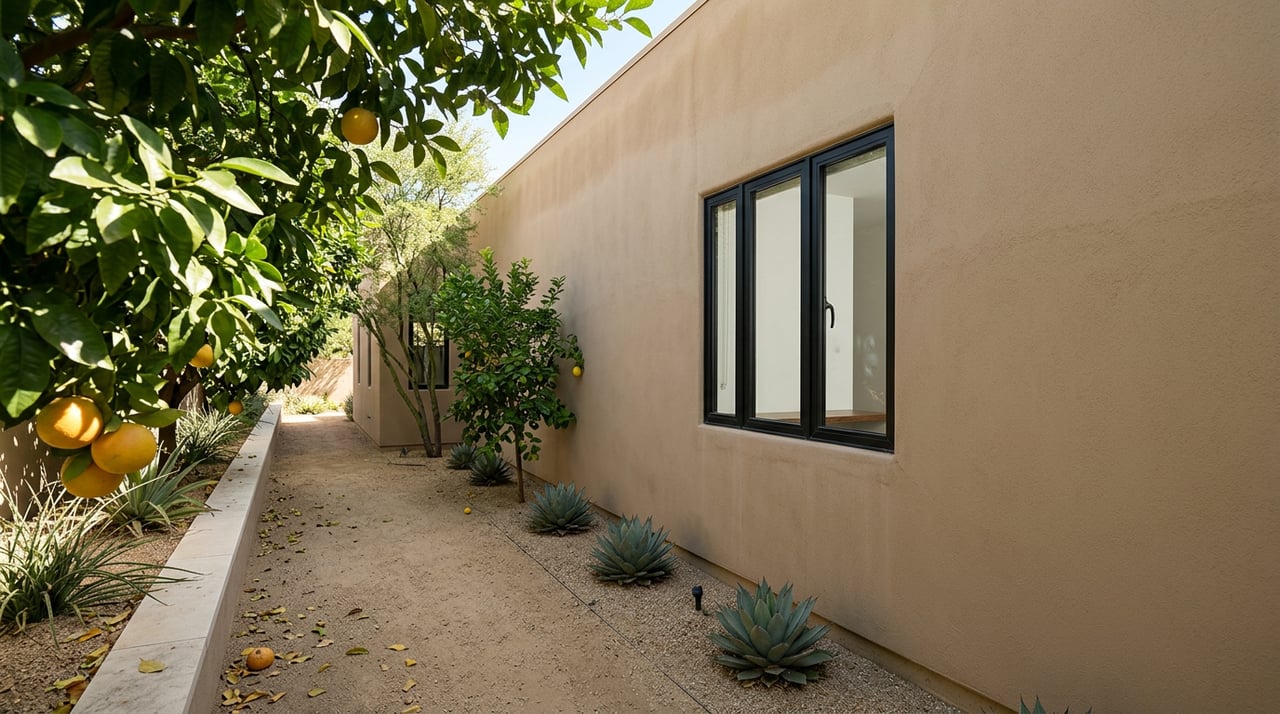
Another draw is the lot itself. Many desert trees and cacti take decades to mature, so older neighborhoods often feel greener, more private, and more settled. When you walk into these areas, the landscape can feel rooted in place in a way that is hard to recreate quickly.
Some classic properties may also sit in or near areas with preservation considerations. In Scottsdale’s four historic districts, exterior alterations and demolition requests can be reviewed through the city’s preservation process. If you love the idea of restoring or changing an older home, this is an important point to understand early.
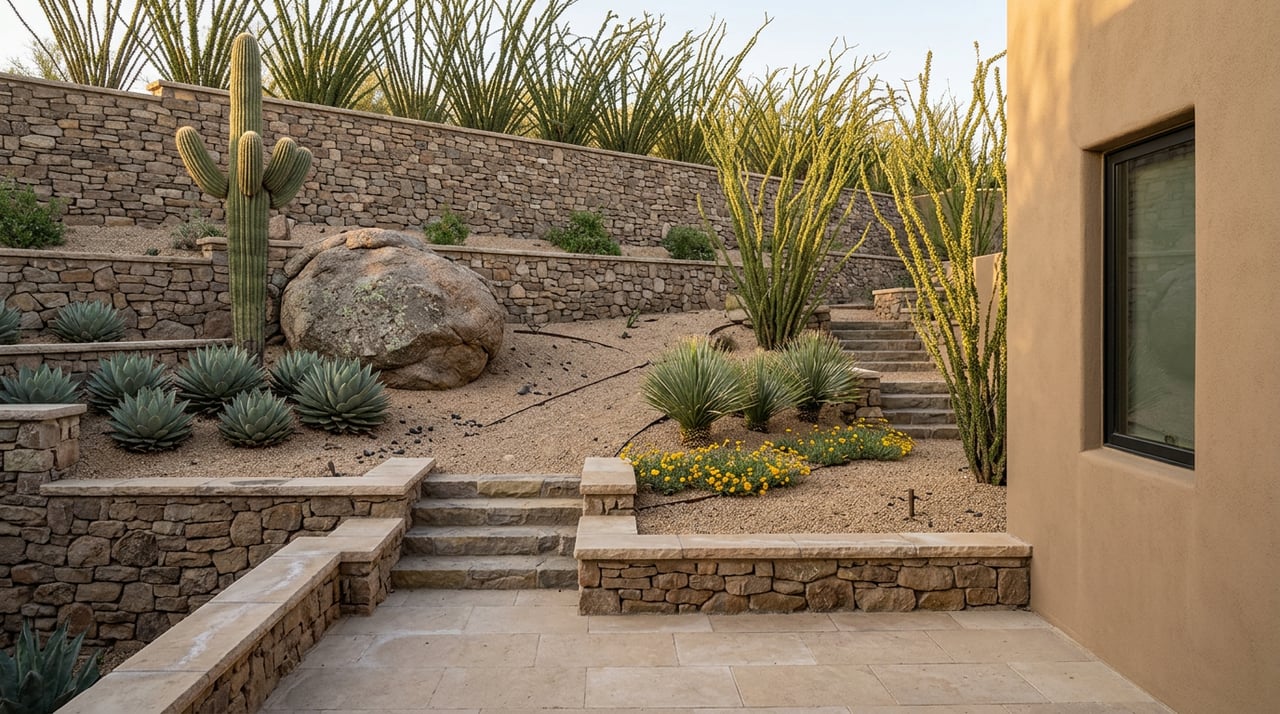
A new-build estate in Scottsdale is usually shaped by more than current style preferences. The city’s Sensitive Design Program calls for development that responds to climate, terrain, vegetation, vistas, and historical context. In many desert and mountain areas, the Environmentally Sensitive Lands Overlay also requires permanent natural area open space and protects washes, ridges, peaks, and native vegetation.
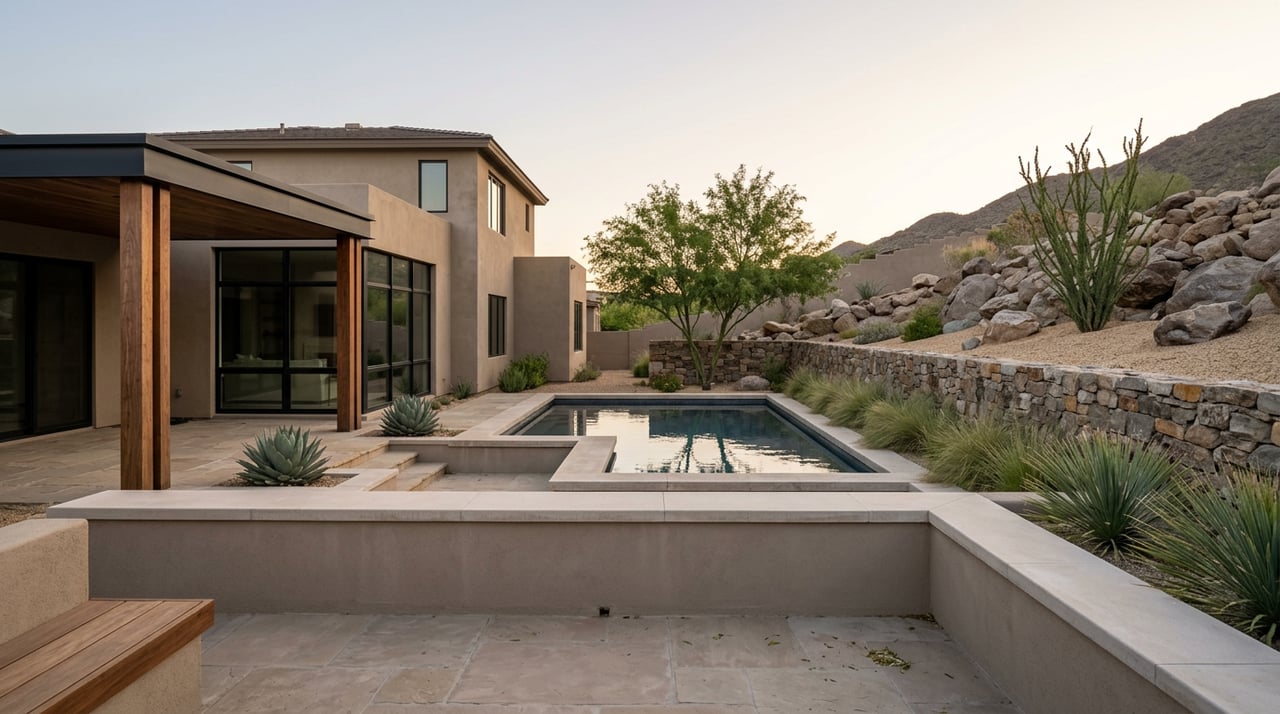
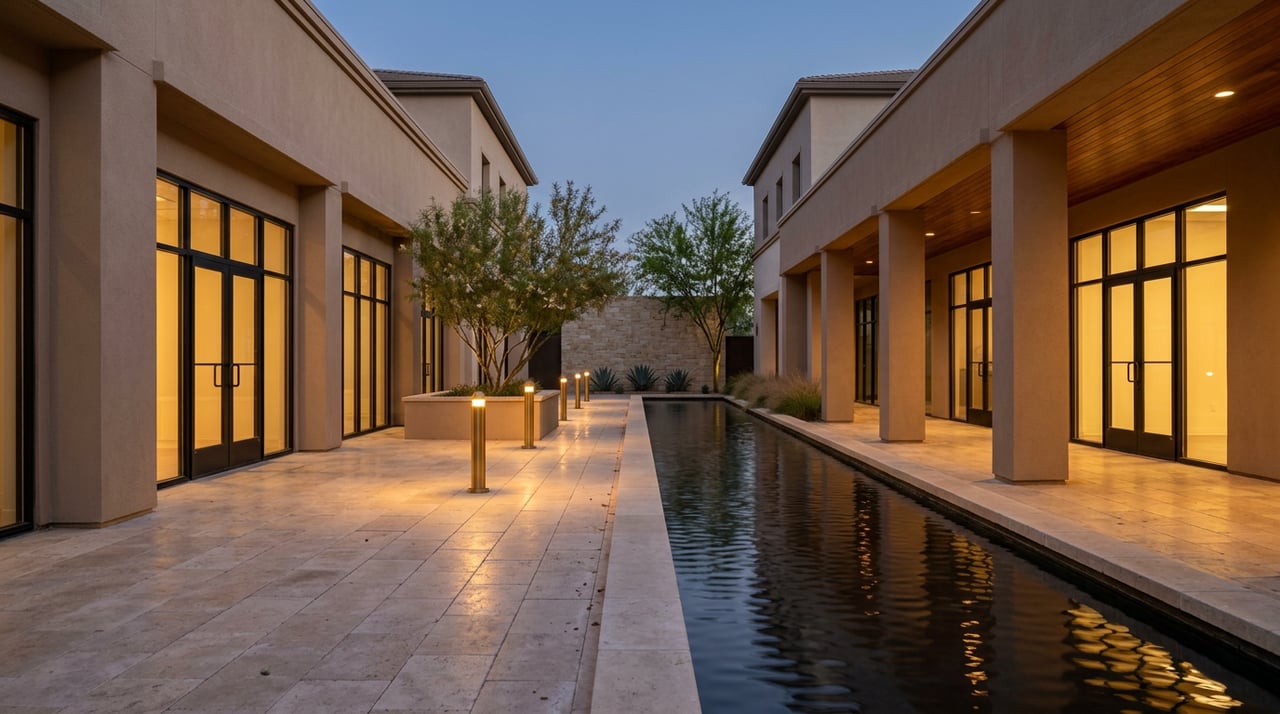
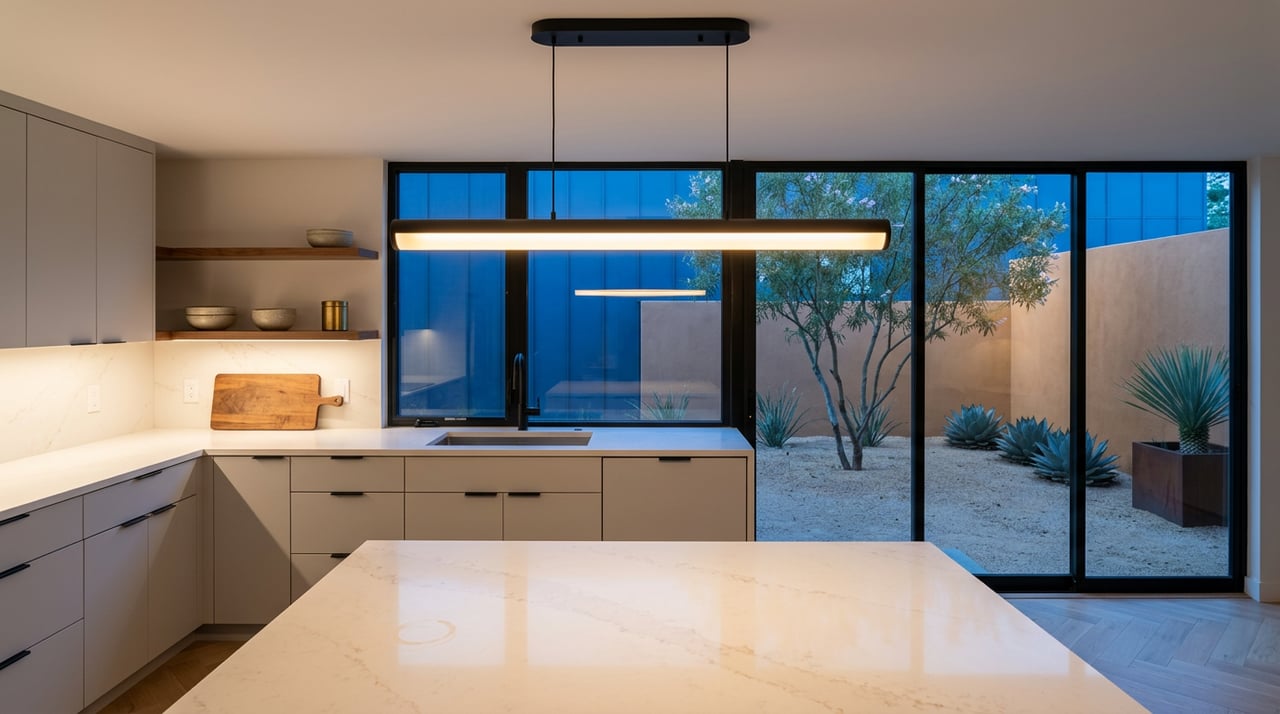
In practical terms, that means many newer luxury homes are planned around the land itself. Site placement, open space, landscaping, and view orientation may all reflect Scottsdale’s desert-specific design standards. The result can feel clean, contemporary, and intentionally connected to the surroundings.
New-build homes may also benefit from more standardized infrastructure, especially in subdivisions and master-planned communities where developers typically provide the basic infrastructure. That can create a more predictable ownership experience for buyers who want convenience and consistency.
Classic estates often win on character and maturity. You may find broader lots, older trees, established hedges, and a streetscape that feels less recently assembled. These homes can also carry design details that are hard to duplicate authentically, especially if you appreciate mid-century or ranch-inspired architecture.
That established feel can translate into privacy and visual softness. In Scottsdale, where many plants grow slowly, decades of landscape maturity can become part of the property’s value.
New builds often win on clarity and intention. The home, lot, and landscaping are usually designed together under current city rules. That can mean a more cohesive plan for setbacks, outdoor living, desert-adapted planting, and long-term maintenance.
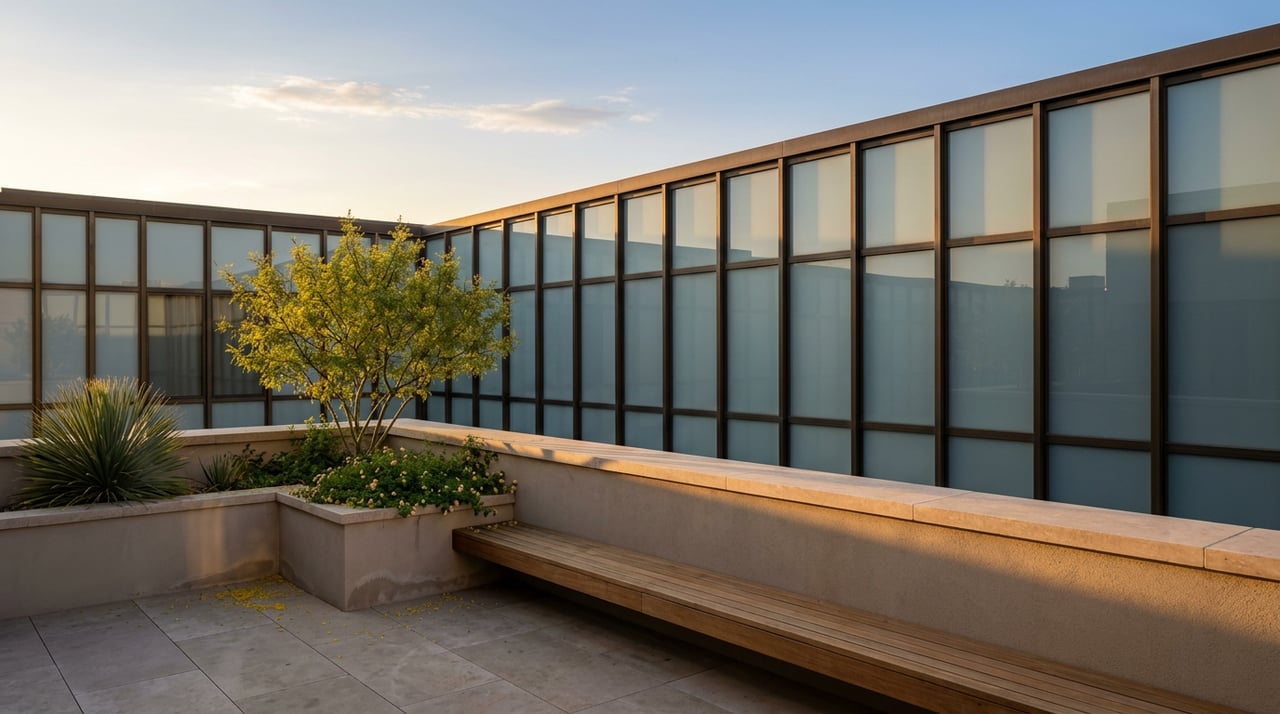
You may also find a layout that better matches how many luxury buyers live today. Open kitchens, more integrated indoor-outdoor spaces, and modern utility planning often feel easier to enjoy right away.
One of the strongest advantages for new construction is the chance to start with current building standards. Scottsdale’s 2021 code suite, which became effective in early 2023, includes residential compliance tools and measures tied to solar readiness, energy compliance, ventilation, efficient hot-water distribution, cool roofs, and low water-use landscaping.
That does not mean every new-build home performs the same way. But it does mean a newer home may begin with a stronger baseline for comfort and efficiency, especially if it includes documented high-performance features or certification.
ENERGY STAR offers a useful benchmark here. According to the EPA, ENERGY STAR certified homes are at least 10% more energy efficient than homes built to code and average about 20% better. That makes certification or verified performance an important distinction if efficiency is a major priority for you.
Classic estates can absolutely improve in this area, but the path is usually different. Instead of starting from a fully updated system, older homes often become more efficient through a whole-house evaluation and targeted upgrades to insulation, windows, HVAC, ventilation, and water-heating systems. A remodeled classic can perform well, but that performance often depends on how comprehensive the renovation was.
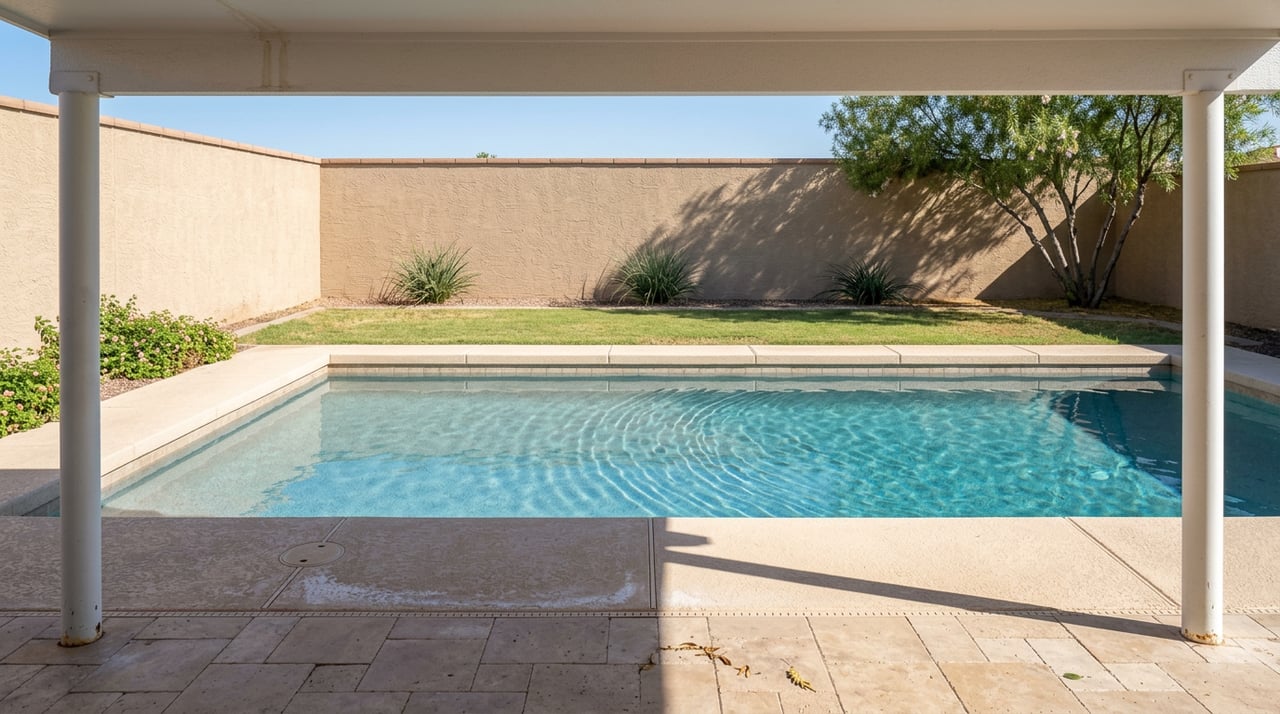
In Scottsdale, water management deserves real attention. The city is planning for a future with less water and offers programs tied to removing water-intensive features such as grass, pools, and spas. It also promotes desert-adapted landscaping and native plants through its water and design initiatives.
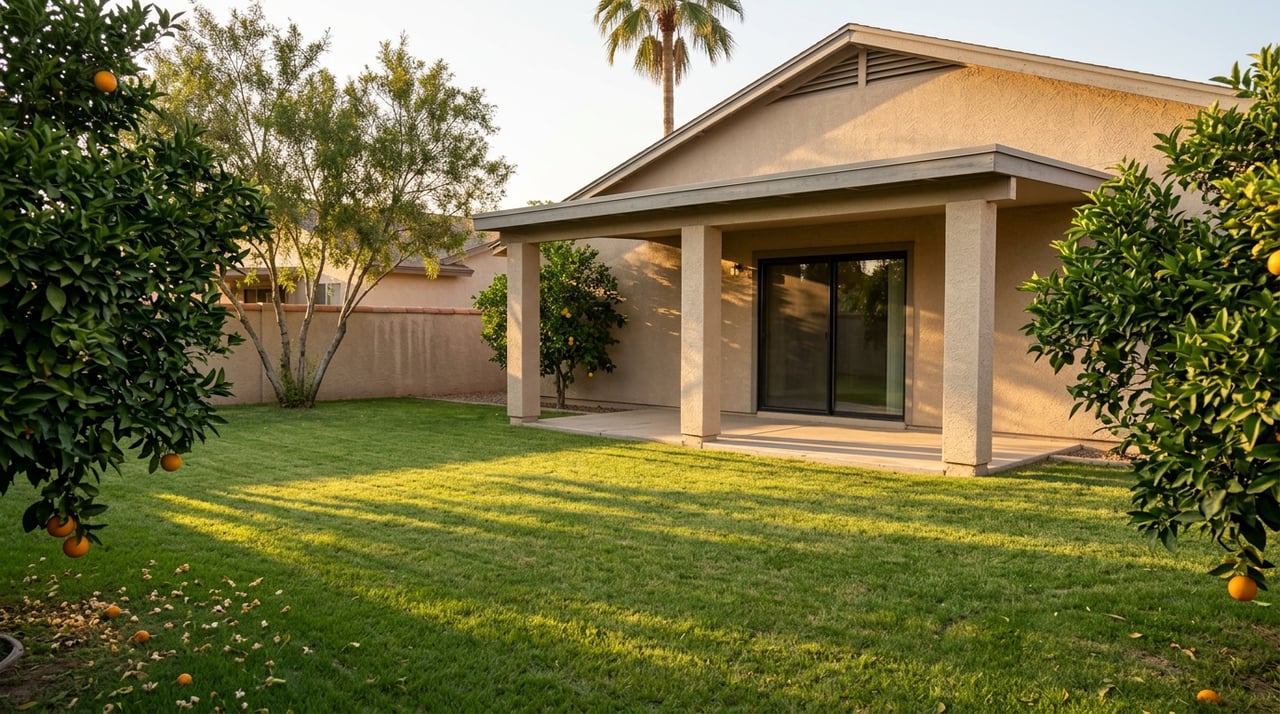
That local context matters when you compare an older estate with a new build. A classic property with large turf areas, an expansive pool setup, or heavily irrigated landscaping may require more ongoing maintenance and water management. By contrast, a newer home often starts with a more compact and lower-water landscape plan.
This does not make one choice better across the board. It simply means you should match the home to the amount of upkeep you want to manage. If low maintenance is part of your goal, ask detailed questions about irrigation, pool systems, and landscape design before you decide.
For many buyers, this comparison comes down to timing and tolerance for projects. A new build often offers immediate usability. You can move in and begin enjoying the home with fewer near-term upgrades, repairs, or system replacements.
A classic estate may offer something different: the chance to own a property with a rare setting and architectural personality, then tailor it over time. If the lot, orientation, and setting are exceptional, some buyers are happy to invest in updates because those features are difficult to replace.
The key is to separate cosmetic appeal from structural and systems reality. A beautiful older home can still need meaningful work behind the walls, while a sleek new build can still vary in quality and performance. In both cases, details matter.
In Scottsdale, resale often comes back to enduring fundamentals. Lot quality, view protection, setting, open-space context, and long-term condition usually matter more than age alone. Homes tied to scarce desert locations or compelling vistas can hold strong appeal because the setting itself is hard to replicate.
Newer homes may also benefit from buyer demand for efficiency and immediacy. ENERGY STAR notes that efficient homes can see sales-price premiums of up to 6%, which suggests that documented efficiency can support value for both new builds and renovated classic homes.
That is why the best resale question is not, “Is newer better?” It is, “Does this home combine a strong setting with features buyers will continue to value over time?” In Scottsdale, that answer often starts with the lot and ends with how well the home fits its environment.
If you are drawn to classic estates, you may value:
If you are drawn to new-build estates, you may value:
Neither path is universally better. The right fit depends on whether you place more weight on character and setting or on ease, efficiency, and move-in readiness.
When you tour luxury homes in Scottsdale, it helps to evaluate both categories through the same lens. Focus on the factors that tend to matter most over time:
This kind of side-by-side review can make the decision much clearer. It also helps you avoid overpaying for surface appeal while missing the fundamentals that support long-term enjoyment.
In Scottsdale’s luxury market, the best choice is usually the home that aligns with how you want to live, how much effort you want to invest, and which features will still matter to you years from now. If you want help weighing a new-build against a classic estate in a specific neighborhood or price point, Cavanaugh Luxury Group can provide a private consultation tailored to your goals.
We’re dedicated to guiding you through every step of your home buying and selling journey. Our commitment to luxury real estate is something we embody daily. With years of expertise, we offer comprehensive insights to ensure your experience maximizes the value we can provide for you.