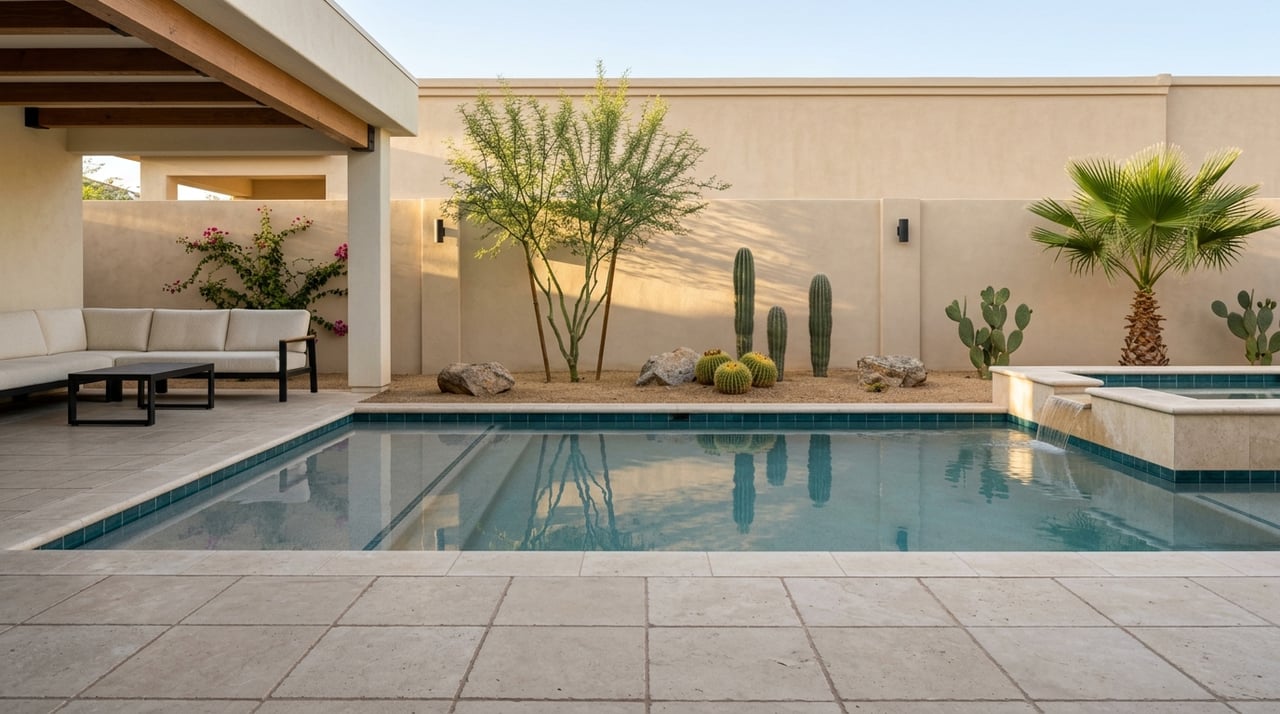
What the Paradise Valley Luxury Lifestyle Feels Like
June 11, 2026
June 11, 2026
Luxury in Paradise Valley is not just about square footage or price point. It is about how your day feels when privacy, mountain views, resort access, and space all work together. If you are wondering what it is actually like to live here, this guide will help you picture the rhythm of daily life and what makes Paradise Valley stand apart. Let’s dive in.
One of the first things you notice about Paradise Valley is how protected and residential it feels. The town spans 15.4 square miles and official planning materials describe it as a primarily one-acre residential community with limited government, natural open space, and close ties to resorts and schools.
That pattern is not accidental. The town’s 2022 General Plan shows that 65.6% of land is low-density residential, with another 6.6% as private open space and 4.8% as public open space. Earlier land-use documents also describe Paradise Valley as zoned almost exclusively residential, with most homesites planned at one residence per acre and some parcels as large as five acres.
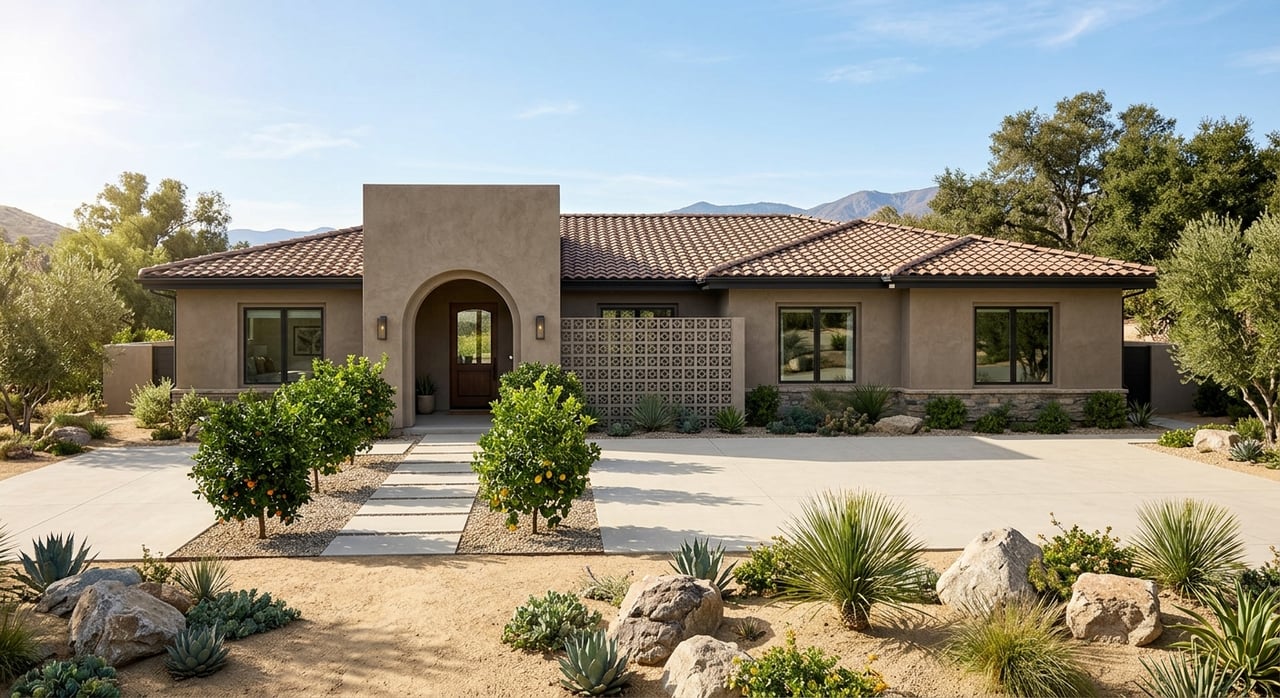
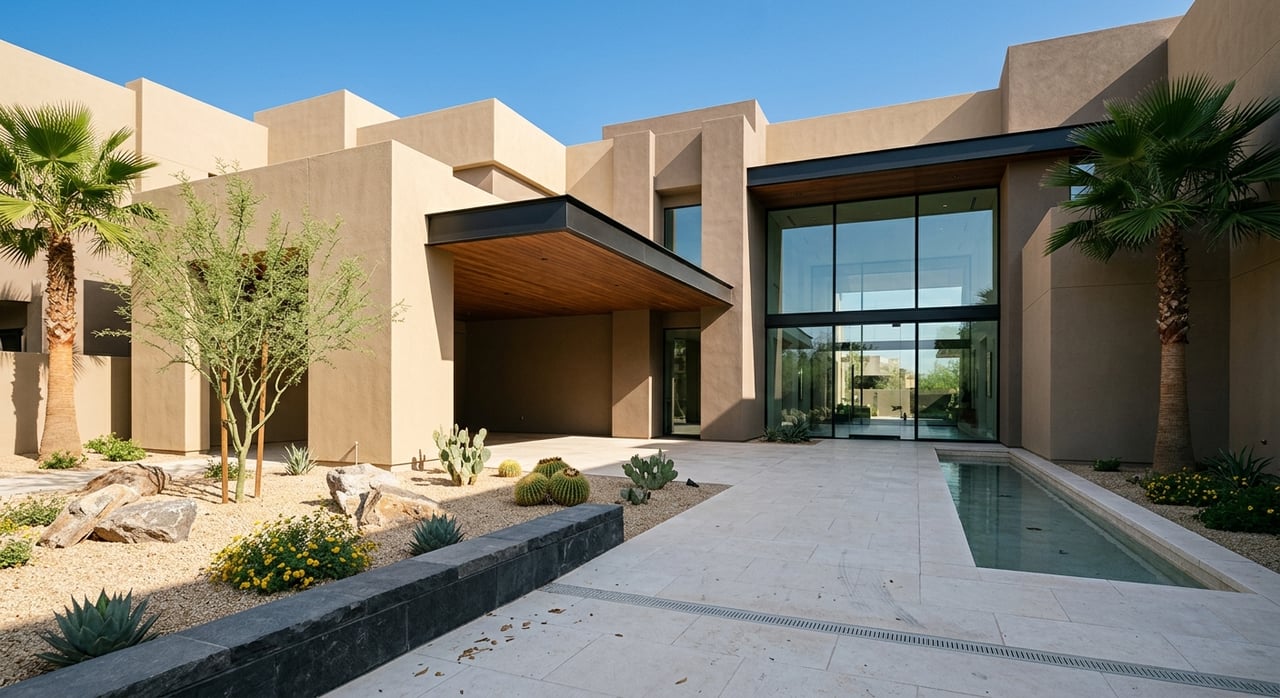
For you as a buyer, that translates into breathing room. Homes are not packed tightly together, and the setting often feels more like an estate enclave than a typical suburban grid. The result is a quieter, more secluded experience that many luxury buyers are specifically seeking.
Privacy in Paradise Valley also shows up in the street layout. According to the town, collectors and local streets are designed to limit through traffic and keep circulation mostly neighborhood-focused.
That matters more than many people expect. In everyday life, it can shape how peaceful your drive home feels, how much outside traffic passes by, and how the town reads from one street to the next. Instead of a busy, retail-driven environment, Paradise Valley feels more residential and intentionally low-key.
Paradise Valley sits between Camelback Mountain to the south, Phoenix Mountain Preserve to the west, and the McDowell Mountains to the east. The town describes itself as a quiet desert oasis in the heart of the Scottsdale-Phoenix area, and that setting is central to the luxury experience.
The visual backdrop is part of daily life here. Morning light on the mountains, open desert skies, and broad view corridors help create a sense of calm that is hard to replicate in denser parts of the Valley. Even simple routines like coffee on the patio or an evening by the pool can feel elevated by the landscape.
Camelback Mountain is one of the most recognizable features nearby. The City of Phoenix identifies Echo Canyon and Cholla as major access points for experienced hikers, and many residents value having that kind of outdoor access close at hand.
Climate also plays a big role in how Paradise Valley feels. The town reports an average of 294 sunny days each year, about 7.3 inches of rainfall, no snowfall, an average July high of 104 degrees, and an average January low of 35.9 degrees.
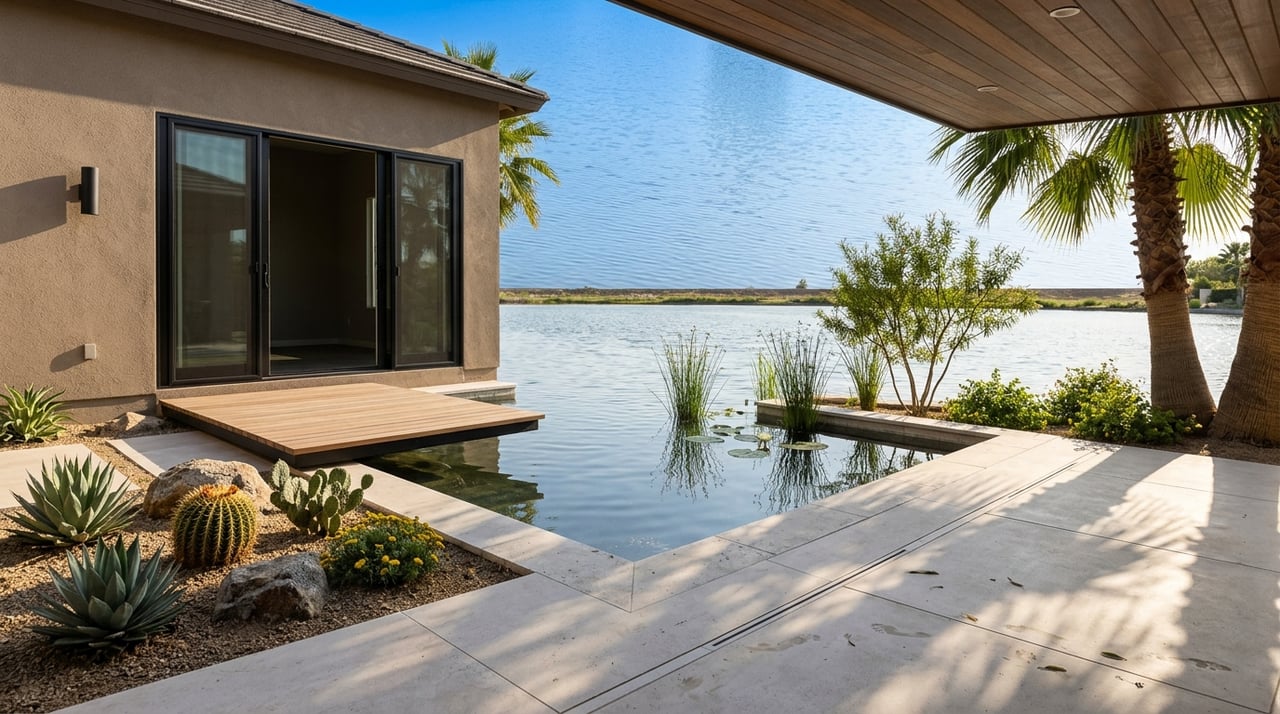
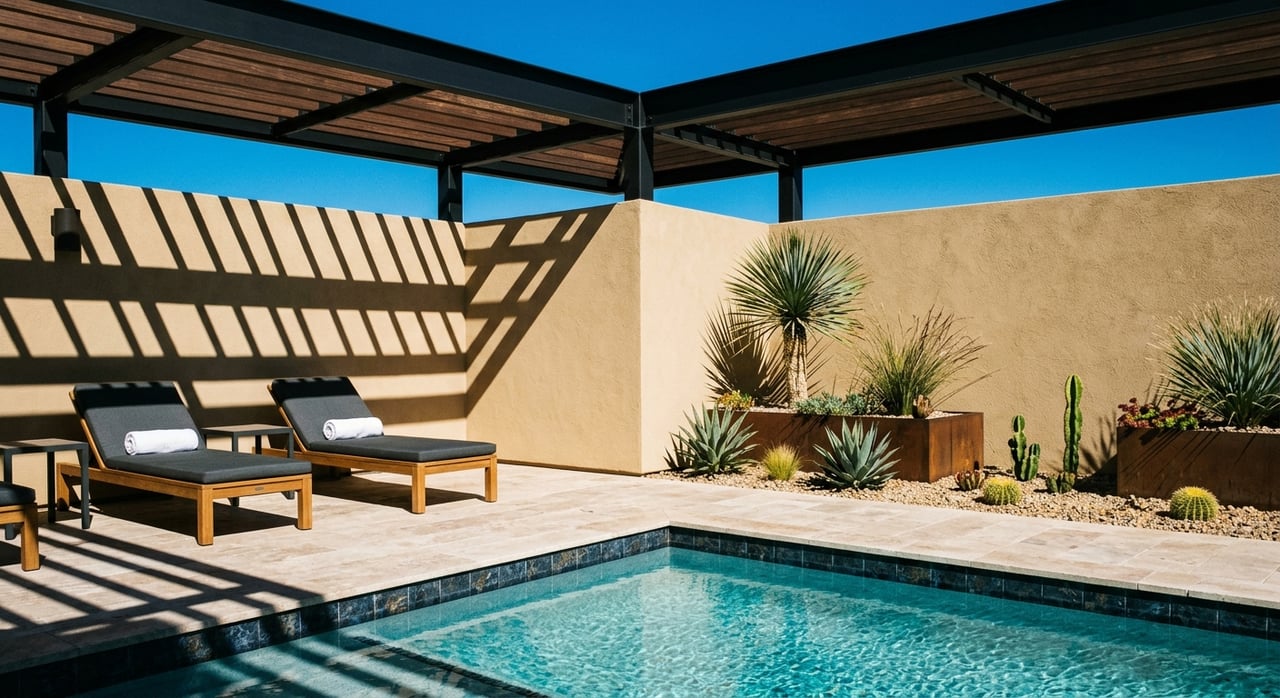
For many homeowners, that means outdoor living is not an occasional luxury. It becomes part of the routine. Patios, pools, shaded seating areas, and mountain-facing outdoor spaces often become some of the most enjoyed parts of the property.
If you are coming from a colder climate or looking for a second home, this consistency can be a major draw. You are not just buying a home. You are buying more days when the outdoor setting truly gets used.
Paradise Valley has a rare blend of private residential living and established resort amenities. The town’s resort directory includes Camelback Inn, Hermosa Inn, Mountain Shadows, Omni Scottsdale Resort & Spa at Montelucia, Sanctuary Camelback Mountain, Andaz Scottsdale Resort and Bungalows, DoubleTree Resort, Scottsdale Plaza Resort, SmokeTree Resort, and a future Ritz-Carlton Paradise Valley listing.
That concentration changes the feel of the area. In many luxury markets, resort access is a special occasion feature. In Paradise Valley, it can feel woven into everyday life, whether that means a spa afternoon, dinner with mountain views, or meeting friends for a relaxed weekend brunch.
The town also highlights local dining options tied to the resort scene, including Lincoln Steakhouse and Rita’s Kitchen, Prado, Asadero Cocina and Cantina, Lon’s, elements, El Chorro, Weft and Warp Art Bar + Kitchen, and Hearth ’61. This gives you a strong amenity base without changing the town’s primarily residential character.
Golf is another important part of the Paradise Valley lifestyle. The town highlights Camelback Golf Club and Mountain Shadows Golf Club, and basic town facts note that Paradise Valley has three golf courses.
Private club living also adds to the daily experience for some residents. Paradise Valley Country Club, located on Tatum Boulevard just north of Lincoln Drive, includes an 18-hole parkland-style golf course along with golf instruction, tennis, pickleball, fitness, spa services, swimming, dining, and a full social calendar.
That means luxury here is not only about the home itself. It can also be about the choices available around it. If you value golf, wellness, dining, or a strong social rhythm, Paradise Valley offers those experiences within a setting that still feels calm and residential.
A major reason buyers are drawn to Paradise Valley is that it feels tucked away without feeling remote. Mountain Shadows notes that it is about ten minutes from Old Town Scottsdale, 12 miles from downtown Phoenix, 8 miles from Phoenix Sky Harbor Airport, and 6 miles from light rail.
Omni Montelucia also emphasizes its position at Tatum Boulevard and Lincoln Drive, with nearby shopping, dining, entertainment, recreation, and access to more than 125 art galleries and museums in the broader area. In practical terms, that means you can enjoy an estate setting while staying connected to the best of Scottsdale and Phoenix.
For many luxury buyers, that balance is the key. You can have space, privacy, and mountain surroundings, but still reach restaurants, arts destinations, and travel connections without a long effort.
Paradise Valley is best understood as a town built around residential living first. The town states that it is predominantly zoned single-family housing, and its planning framework centers on a primarily one-acre residential community.
That has a real effect on atmosphere. You are not moving into a district built around nightlife, dense shopping corridors, or high-volume commercial traffic. Instead, you are choosing a place where homes, open space, resort properties, and carefully managed circulation shape the overall experience.
For buyers comparing Paradise Valley with Scottsdale proper, this often becomes one of the clearest differences. Paradise Valley tends to feel more estate-driven, more spacious, and more secluded in its day-to-day character.
So what does luxury living in Paradise Valley really feel like? It often feels quiet, sunlit, and unhurried. It feels like arriving home through a residential streetscape with less through traffic, seeing mountains from multiple vantage points, and having resort-level amenities nearby without giving up privacy.
It also feels practical in the best sense. You are in the heart of the Scottsdale-Phoenix area, with access to airports, dining, recreation, and cultural destinations, but the town itself keeps a distinctly residential identity.
For many buyers, that is the appeal in a single sentence. Paradise Valley offers an estate-and-resort lifestyle that feels private by design.
If you are exploring Paradise Valley and want experienced guidance on the area’s luxury homes, lifestyle fit, and buying opportunities, Cavanaugh Luxury Group can help you navigate the market with local insight and white-glove service.
We’re dedicated to guiding you through every step of your home buying and selling journey. Our commitment to luxury real estate is something we embody daily. With years of expertise, we offer comprehensive insights to ensure your experience maximizes the value we can provide for you.