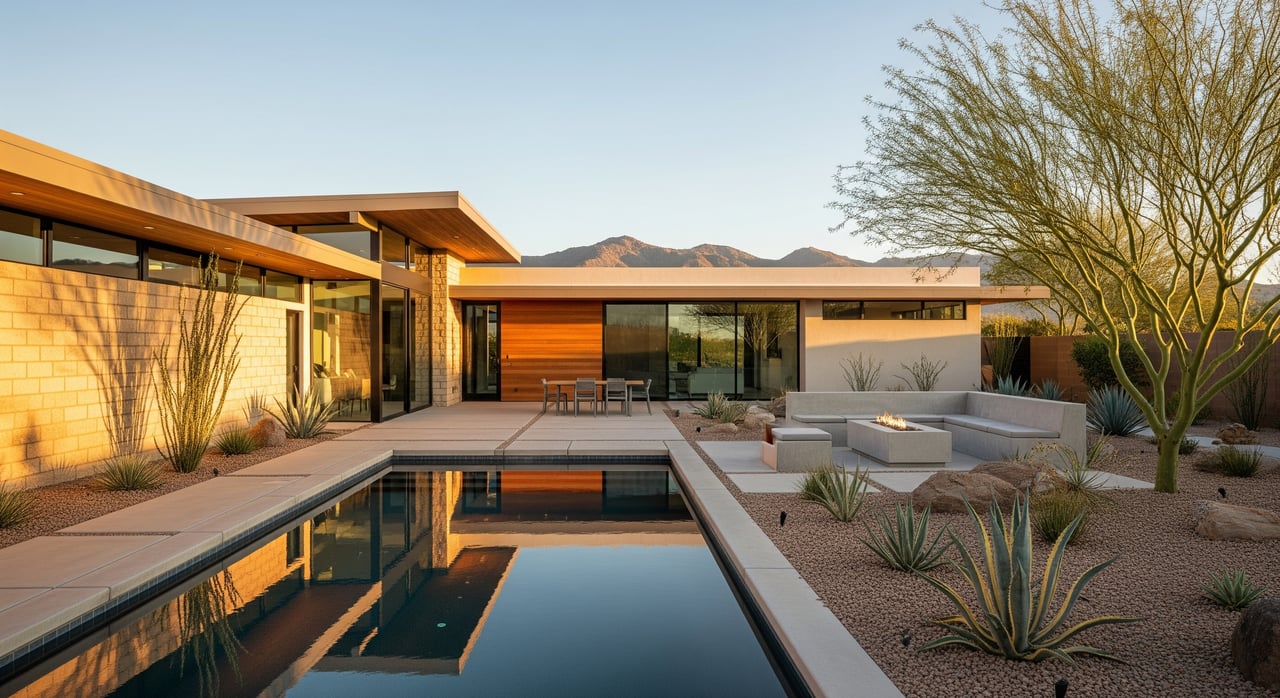
Thinking about buying a home in Chandler and turning it into a short-term rental? You are not alone. The right property, pricing strategy, and compliance plan can create attractive returns, but the wrong assumptions can erase profits fast. In this playbook, you will learn how to verify rules, model revenue and costs with Chandler’s seasonality in mind, and stress-test risks before you buy. Let’s dive in.
Chandler STR rules: what to verify first
Before you run numbers, confirm that your target property can legally operate as a short-term rental. Local rules and tax rates can change, so use this checklist to guide your due diligence.
Licensing and city enforcement
- Confirm whether Chandler requires STR registration or a permit, along with application fees, inspections, emergency contact details, and renewal timelines. Review the City of Chandler Planning, Zoning, Neighborhood Services, Business License, and Code Enforcement pages for short-term rental or transient lodging guidance.
- Ask how enforcement works. Some cities rely on complaint-driven systems, while others conduct proactive inspections. Document the process and penalties for noncompliance.
Zoning, HOA, and deed restrictions
- Verify the property’s zoning and whether short-term rentals are allowed there. Get written confirmation from any HOA regarding minimum stays, guest count, parking, noise, signage, and registration steps.
- If the HOA is silent, seek clarity. Rules can evolve, so consider HOA fines, special assessments, or future policy changes as part of your risk analysis.
Taxes and remittance responsibilities
- Arizona typically treats short-term stays as transient lodging for Transaction Privilege Tax, so confirm current state and city rates and whether Chandler levies a local lodging or tourism tax. Some marketplaces may collect and remit certain taxes, but you must verify which taxes they handle and what remains your responsibility.
- Confirm reporting frequency and account setup with the Arizona Department of Revenue. For ownership costs, estimate Maricopa County property taxes using the county assessor.
Insurance and liability
- Standard homeowner policies often exclude short-term rental use. Obtain quotes for a short-term rental endorsement or a commercial policy, plus an umbrella liability policy.
- Confirm coverage for guest liability, property damage, and any heat-related or wildfire exclusions.
Health, safety, and property standards
- Verify requirements for smoke and carbon monoxide detectors, egress, maximum occupancy, trash storage and pickup, parking counts, and any required on-site signage.
- Budget for safety upgrades such as keyless locks, pool safety measures, and outdoor lighting.
Enforcement and fines
- Ask the city for published penalties and appeal timelines. Document how complaints are handled and what violations may trigger fines or permit action.
Modeling returns: rates, occupancy, seasonality
Chandler sits within the broader Phoenix tourism and business corridor, with demand influenced by proximity to downtown Chandler, Chandler Fashion Center, regional employers, the airport, and events. Use data and a clear pricing plan to build a realistic base case.
Price your nights with comps
- Start with comparable listings by bedroom count, amenities, and condition. AirDNA, Transparent, and Mashvisor can help you benchmark ADR, occupancy, and RevPAR at the property level.
- Adjust for competitive features: pool and hot tub, secure parking, dedicated workspace, reliable high-speed internet, and strong air conditioning which is essential in the Phoenix area.
- Use tiered pricing. Set a base weekday rate, a weekend premium, and holiday or event premiums. Offer monthly discounts when appropriate.
Plan occupancy with seasonality
- Expect higher demand in late fall through early spring, with a summer trough due to extreme heat. Business travel near major employers can lift weekday occupancy.
- Build a monthly occupancy schedule rather than one annual average. If you need a quick screen, run three scenarios: conservative, base, and optimistic.
Choose your booking channels
- Marketplaces such as Airbnb and VRBO drive most demand and can affect net rates through fees. Direct booking can reduce platform fees but requires marketing.
- Basic revenue management software can help you adjust rates for events, weekends, and seasonality, which can improve RevPAR over time.
Build conservative to aggressive scenarios
- Run ADR bands at plus or minus 10 to 20 percent and occupancy bands at plus or minus 10 to 20 points. Include both self-manage and third-party management cases.
- Aim for a base case that sits near market medians, then pressure-test upside and downside.
Expense, tax, and financing model
Your expense model should separate recurring operating costs from fixed ownership costs and one-time setup. Cleaning and management choices can swing results more than you expect.
Operating expenses to budget
- Platform fees. Model host fees as a percent of gross rental revenue, and confirm the structure for your listing type.
- Management fees. Full-service STR management commonly ranges from 15 to 35 percent of gross. Model both self-manage and managed options.
- Cleaning costs. Cleaning is per stay, not per night. Model cost per turnover and the expected average length of stay. Include laundry, linens, and restocking.
- Utilities and services. Electricity for cooling in summer can be significant. Add water, sewer, trash, gas if applicable, internet, and streaming.
- Supplies and consumables. Paper goods, toiletries, coffee, welcome items, and pool chemicals.
- Repairs and maintenance. Landscaping, pool service, HVAC servicing, pest control, and routine fixes. A simple approach is a percentage of revenue.
- Insurance. Budget for an STR policy or endorsement and an umbrella policy.
- HOA dues. If applicable, treat as a fixed monthly expense and account for potential special assessments.
- Administrative costs. Accounting, permit renewals, and any local licensing renewals.
- Reserves and CapEx. Set aside an allowance for furniture refresh, appliances, paint, and replacements.
Taxes and filings
- Transaction Privilege Tax on lodging receipts applies at the state level, and cities can add their own portions. Confirm current rates and whether Chandler has a separate lodging or tourism assessment.
- Understand what your booking platform remits on your behalf and what you must file. Confirm reporting frequency, such as monthly or quarterly.
- Income taxes apply to net profits at the federal and state level. Treatment can vary based on services and host activity, so consult a tax professional. Depreciation reduces taxable income, not cash flow.
Financing and fixed ownership
- Model your mortgage principal and interest based on the actual loan terms and amortization.
- Estimate Maricopa County property taxes for the parcel and consider potential reassessment after closing or renovation.
- Track insurance and HOA as fixed items for break-even analysis.
Upfront and one-time costs
- Licensing or permit applications and inspection fees.
- Furniture, décor, photography, signage, and safety upgrades such as smart locks.
- Any HOA compliance costs or legal review.
- Initial marketing and listing setup.
An illustrative example to pressure-test
Use this demonstration to see how assumptions change outcomes. The numbers below are illustrative for a 3 bedroom single-family home and are not a market forecast.
- Assumptions: ADR 160 dollars, occupancy 55 percent, 200 occupied nights per year. Gross revenue about 32,000 dollars.
- Operating expenses, example mix:
- Platform fees at about 3 percent: 960 dollars.
- Management at 25 percent: 8,000 dollars.
- Cleaning if you model it per stay at 75 dollars per cleaning, multiplied by the number of stays. If you mistakenly multiply cleanings by nights, your costs will be overstated. Use average length of stay to calculate turns accurately.
- Utilities, internet, and cable: 4,000 dollars.
- Maintenance and supplies at 5 percent of revenue: 1,600 dollars.
- Property tax example placeholder: 3,600 dollars.
- Insurance: 1,200 dollars.
- Reserves and CapEx at 5 percent: 1,600 dollars.
In this mix, costs can exceed revenue if you assume many short stays, a full-service management fee, and aggressive cleaning turnover. This is why you must model cleaning by stays, not nights, and test the impact of a longer average stay, a lower management fee, or self-management. Always run multiple scenarios before you buy.
Decision framework: metrics that matter
Define your targets before you shop. Then evaluate each property against the same yardstick.
Core formulas
- Gross rental revenue equals ADR times occupied nights.
- Net operating income equals gross rental revenue minus operating expenses. Exclude mortgage payments here.
- Cash flow before tax equals NOI minus annual mortgage debt service.
- Cash-on-cash return equals cash flow before tax divided by total cash invested. Total cash includes down payment, closing costs, and initial setup.
- Cap rate equals NOI divided by purchase price.
- Break-even occupancy equals your fixed costs plus debt service plus desired profit, divided by ADR times nights per year. This can help you think in break-even nights per year.
- Payback period equals total cash invested divided by annual cash flow.
Sensitivity tests
- Test ADR at plus and minus 10 to 20 percent. Test occupancy at plus and minus 10 to 20 points. Combine these with both self-manage and managed cases.
- Build a monthly schedule so you can see winter peaks and summer troughs. Check how your cash flow changes under a 10 to 30 percent reduction in nights to simulate regulation or supply shocks.
Your minimum thresholds
- Set a minimum acceptable cash-on-cash return under your conservative case.
- Define a maximum payback period you are willing to accept.
- Know your minimum ADR and occupancy needed to cover debt service and reserves.
- Decide your risk tolerance for HOA enforcement or ordinance changes. If your risk tolerance is low, target properties where STR use is clearly permitted today.
Risks and stress tests to run
No STR plan is complete without a clear view of what can change. Build buffers into your numbers and plan for contingencies.
Regulatory change
- Chandler could adjust permit fees, add minimum stays, cap licenses, or change enforcement. Model a drop in nights or a shift to a 30 day minimum to see how it affects returns.
Platform and search risk
- Booking platforms can alter fees or search algorithms, which can change exposure and net rates. Diversify channels and consider a direct-booking strategy if it fits your brand.
Competition and supply growth
- New STR supply can push ADR down or pull occupancy down over time. Monitor local market data and trends in permits or new developments.
Seasonality and extreme heat
- Expect softer summer demand in the Chandler and Phoenix area due to heat. Ensure the HVAC system and pool are guest ready and durable for high-use months.
Insurance availability and premiums
- Carriers can tighten underwriting or raise prices. Model premium increases of 25 to 50 percent to see how resilient your cash flow is.
Work with a local advisor
If you want a clear, data-driven path into Chandler STR ownership, partner with a team that knows the Phoenix metro and luxury segments well. Our approach is principal led and client focused. We help you identify the right properties, organize due diligence, and benchmark value so your decision is grounded in facts and aligned with your goals. Request a private consultation with Cavanaugh Luxury Group to discuss your plan.
FAQs
What permits or licenses do I need for a Chandler short-term rental?
- Verify whether Chandler requires registration or a permit, inspections, and an emergency contact, then document renewal timelines and penalties before you buy.
How should I estimate ADR and occupancy for a Chandler STR?
- Use STR data tools for comps, adjust for bedroom count, pool and AC, and location near employers or venues, then build a monthly seasonality profile.
Which taxes apply to STRs in Chandler and who remits them?
- Arizona Transaction Privilege Tax applies to transient lodging and cities may levy local portions, so confirm rates and what your platform remits versus what you file.
How does seasonality impact Chandler STR cash flow?
- Demand is typically strongest from late fall through early spring and softer in the hot summer months, so plan rates and reserves around that swing.
What is the biggest modeling mistake with cleaning costs?
- Treating cleaning as a nightly cost instead of a per-stay cost, which can overstate expenses if you do not factor in average length of stay.
How do HOAs affect STR feasibility in Chandler?
- HOAs can restrict minimum stays, guest counts, parking, or signage, so get written confirmation that STR use is allowed and understand any fees or fines.